By Dr. Godfrey Ngure,
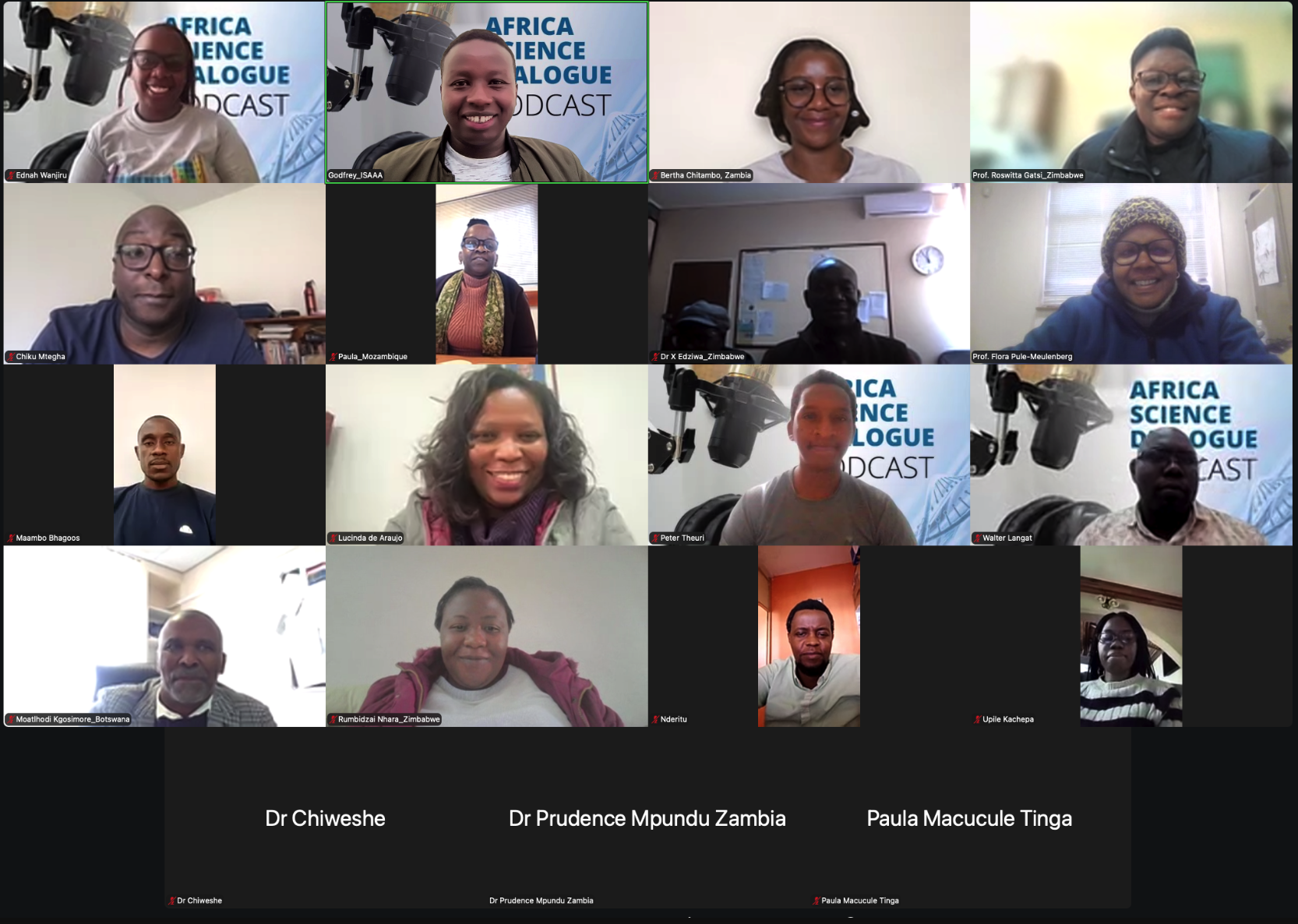
The Capacitating One Health in Eastern and Southern Africa (COHESA) partners in Southern Africa are translating country-level One Health achievements into evidence-based policy messages to strengthen decision-making across the region. Five countries – Zambia, Zimbabwe, Mozambique, Malawi, and Botswana – have identified concrete outcomes from their COHESA-supported work and are developing policy briefs that articulate their significance for policy and practice.
The process has enabled country teams to move beyond documenting project activities towards identifying what changed, why it matters, and what policymakers can do to sustain or scale these gains. In Zambia, the focus is on strengthened multisectoral participation and coordination for One Health policy implementation. Malawi is highlighting increased involvement of environmental health actors in One Health discussions, while Botswana is documenting gains in community awareness and engagement around beef measles through co-designed One Health solutions. Mozambique is developing a policy brief on the country’s first One Health strategic plan, while Zimbabwe is documenting efforts to integrate One Health concepts into teacher-training curricula. These country experiences demonstrate the breadth of approaches through which COHESA is strengthening One Health systems, from policy and institutional coordination to community engagement and education.
The resulting briefs are intended to convert these experiences into clear, actionable recommendations for decision-makers, supporting the uptake, institutionalization, and potential scale-up of approaches that have demonstrated value in national One Health contexts. ISAAA AfriCenter, a member of the COHESA consortium [with the International Livestock Research Institute (ILRI) and the French Agricultural Research Centre for International Development (CIRAD)], continues to provide targeted support to strengthen the evidence base, policy messages, and recommendations. Through this process, COHESA is strengthening not only One Health implementation but also the capacity of country partners to communicate evidence in ways that inform policy decisions.